

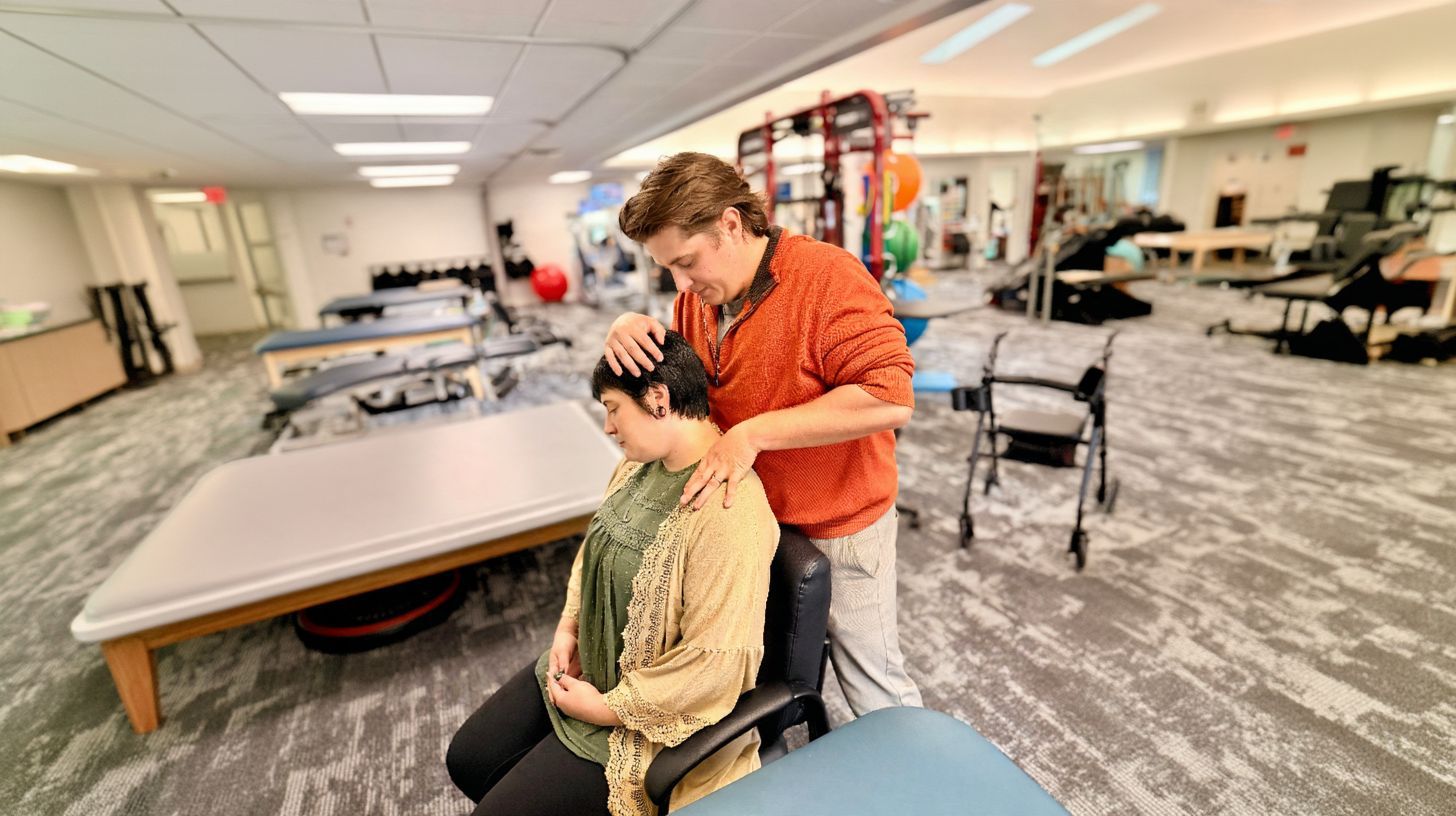
Neck pain is one of the most widespread musculoskeletal complaints modern adults experience. Whether it manifests as a persistent, dull ache across the shoulders or a sharp, debilitating tweak when turning your head, neck discomfort quickly disrupts every layer of daily life. Simple activities like driving, working at a computer, exercising, or sleeping soundly become challenging and painful tasks. At Agapé Physical Therapy , we understand that neck pain is rarely a one-size-fits-all condition. That is why our clinical care is built entirely around a personalized, patient-centered approach. Rather than relying on temporary fixes or generic stretch routines, our dedicated physical therapists work to pinpoint the precise root cause of your discomfort, guiding you through treatments that restore natural movement, rebuild strength, and return comfort to your everyday life. Addressing Radicular Symptoms with Hands-On Therapy Neck pain does not always remain localized to the spine. Many individuals suffer from radicular symptoms which is a painful condition where nerve roots exiting the cervical spine become compressed, pinched, or inflamed. This often results in sharp, burning pain, numbness, tingling, or weakness that radiates outward into the upper back, shoulders, arms, hands, or fingers. To treat radicular symptoms effectively, Agapé Physical Therapy utilizes a dynamic combination of skilled, hands-on clinical interventions: Manual Joint Mobilization : Precise, skilled movements of the cervical vertebrae creates space between joint surfaces, gently relieving pressure on nerve roots. Soft Tissue Massage & Myofascial Release : Targeted soft tissue techniques alleviate muscle spasms and localized guarding, relaxing tight cervical and upper thoracic muscles that contribute to nerve compression. Manual & Mechanical Traction : Controlled decompression gently stretches the cervical spine, encouraging discs to retract away from sensitive nerves while promoting healing. The Role of Posture and Postural Training In an increasingly digital world, daily routines are a leading driver of chronic neck strain. Hours spent slouched at an unoptimized office desk, leaning forward toward monitor screens, or looking down at mobile devices ("tech neck") place tremendous mechanical stress on the cervical spine. For every inch the head shifts forward from neutral alignment, the effective weight supported by the neck muscles increases dramatically. Over time, poor posture leads to muscular imbalances, strained ligaments, and premature disc wear. Agapé Physical Therapy combats these chronic patterns through comprehensive postural re-education: Ergonomic Education : Practical adjustments to your workspace, seating habits, and daily movement patterns to maintain a neutral spine. Targeted Exercise Protocols : Exercises designed to strengthen weak deep neck flexors and upper back stabilizers while stretching tight pectoral and shoulder muscles. Neuromuscular Re-Training : Building dynamic postural awareness so proper spine alignment becomes effortless throughout your workday. Recovery from Whiplash and Motor Vehicle Accidents (MVAs) Motor vehicle accidents (MVAs) subject the neck to violent acceleration and deceleration forces, resulting in what is commonly known as whiplash. This abrupt motion can cause soft-tissue micro-tears in cervical ligaments, tendons, and muscles, leading to acute stiffness, inflammation, neck spasms, and persistent headaches. Timely, structured physical therapy is critical following an auto accident to prevent acute trauma from turning into chronic, long-term pain. At Agapé Physical Therapy, our progressive recovery framework helps you recover safely and completely: Phase 1 : Pain & Inflammation Reduction: Utilizing gentle soft tissue release to calm irritated tissues. Phase 2 : Restoring Range of Motion: Safely introducing passive and active movements to prevent joint stiffness. Phase 3 : Tissue Strengthening & Stability: Rebuilding deep cervical muscular support so your neck can comfortably handle daily physical demands. Post-Operative Rehabilitation and Improving Balance When conservative treatments are insufficient and spinal surgery like a cervical discectomy, fusion, or laminectomy becomes necessary, structured post-operative rehabilitation is crucial for achieving an optimal outcome. Agapé Physical Therapy collaborates closely with orthopedic surgeons and neurosurgeons to deliver appropriate post surgical care. Post-op physical therapy safely guides patients through the tissue healing timeline while restoring range of motion, muscle strength, and optimal neck biomechanics. The Cervical Spine and Balance You may not realize that there is a strong connection between the neck and bodily balance. The joints and deep muscles of the cervical spine are rich in sensory receptors (proprioceptors) that continuously send data to the brain and vestibular system. When neck tissues are damaged or surgically altered, these proprioceptive signals can become distorted, leading to unsteadiness, poor balance, or spatial disorientation. Our specialized cervical rehabilitation incorporates balance and proprioceptive retraining exercises, helping restore clear communication between your cervical spine and brain for steady, confident movement. Getting to the Root of Cervicogenic Dizziness If you experience unexplained lightheadedness, balance loss, or a spinning sensation accompanied by neck stiffness or pain, you may be dealing with cervicogenic dizziness. This condition occurs when impaired joint mechanics, muscular tightness, or structural dysfunction in the upper cervical spine alter sensory feedback to the brain's balance centers. Rather than relying on medications that merely mask symptoms, Agapé Physical Therapy addresses the underlying cause of cervicogenic dizziness: Cervical Mobilization : Restoring subtle, normal gliding motions to the C1–C3 cervical joints to normalize joint sensory input. Vestibular-Cervical Integration : Coordinated eye, head, and balance exercises that recalibrate the relationship between visual, vestibular, and neck inputs. Deep Cervical Flexor Conditioning : Strengthening neck stabilizers to decrease mechanical load and reduce dizziness episodes. Summary of Cervical Conditions treated at Agapé Physical Therapy Radicular Symptoms Postural Strain Whiplash & MVA-related neck pain Post-Operative Recovery Cervicogenic Dizziness Let’s get started with Agapé Physical Therapy Neck pain, stiffness, radicular numbness, or cervicogenic dizziness should not hold you back from living a full, active life. Whether your symptoms developed gradually over years of desk work or occurred suddenly due to an injury or surgery, compassionate and expert help is available. At Agapé Physical Therapy, our dedicated clinical team is ready to design a targeted evaluation and treatment plan customized to your unique needs and goals. Don't wait to reclaim your comfort and mobility . Contact Agapé Physical Therapy today to schedule your comprehensive consultation and take your first step toward lasting relief.
Neck pain is one of the most widespread musculoskeletal complaints modern adults experience. Whether it manifests as a persistent, dull ache across the shoulders or a sharp, debilitating tweak when turning your head, neck discomfort quickly disrupts every layer of daily life. Simple activities like driving, working at a computer, exercising, or sleeping soundly become challenging and painful tasks. At Agapé Physical Therapy , we understand that neck pain is rarely a one-size-fits-all condition. That is why our clinical care is built entirely around a personalized, patient-centered approach. Rather than relying on temporary fixes or generic stretch routines, our dedicated physical therapists work to pinpoint the precise root cause of your discomfort, guiding you through treatments that restore natural movement, rebuild strength, and return comfort to your everyday life. Addressing Radicular Symptoms with Hands-On Therapy Neck pain does not always remain localized to the spine. Many individuals suffer from radicular symptoms which is a painful condition where nerve roots exiting the cervical spine become compressed, pinched, or inflamed. This often results in sharp, burning pain, numbness, tingling, or weakness that radiates outward into the upper back, shoulders, arms, hands, or fingers. To treat radicular symptoms effectively, Agapé Physical Therapy utilizes a dynamic combination of skilled, hands-on clinical interventions: Manual Joint Mobilization : Precise, skilled movements of the cervical vertebrae creates space between joint surfaces, gently relieving pressure on nerve roots. Soft Tissue Massage & Myofascial Release : Targeted soft tissue techniques alleviate muscle spasms and localized guarding, relaxing tight cervical and upper thoracic muscles that contribute to nerve compression. Manual & Mechanical Traction : Controlled decompression gently stretches the cervical spine, encouraging discs to retract away from sensitive nerves while promoting healing. The Role of Posture and Postural Training In an increasingly digital world, daily routines are a leading driver of chronic neck strain. Hours spent slouched at an unoptimized office desk, leaning forward toward monitor screens, or looking down at mobile devices ("tech neck") place tremendous mechanical stress on the cervical spine. For every inch the head shifts forward from neutral alignment, the effective weight supported by the neck muscles increases dramatically. Over time, poor posture leads to muscular imbalances, strained ligaments, and premature disc wear. Agapé Physical Therapy combats these chronic patterns through comprehensive postural re-education: Ergonomic Education : Practical adjustments to your workspace, seating habits, and daily movement patterns to maintain a neutral spine. Targeted Exercise Protocols : Exercises designed to strengthen weak deep neck flexors and upper back stabilizers while stretching tight pectoral and shoulder muscles. Neuromuscular Re-Training : Building dynamic postural awareness so proper spine alignment becomes effortless throughout your workday. Recovery from Whiplash and Motor Vehicle Accidents (MVAs) Motor vehicle accidents (MVAs) subject the neck to violent acceleration and deceleration forces, resulting in what is commonly known as whiplash. This abrupt motion can cause soft-tissue micro-tears in cervical ligaments, tendons, and muscles, leading to acute stiffness, inflammation, neck spasms, and persistent headaches. Timely, structured physical therapy is critical following an auto accident to prevent acute trauma from turning into chronic, long-term pain. At Agapé Physical Therapy, our progressive recovery framework helps you recover safely and completely: Phase 1 : Pain & Inflammation Reduction: Utilizing gentle soft tissue release to calm irritated tissues. Phase 2 : Restoring Range of Motion: Safely introducing passive and active movements to prevent joint stiffness. Phase 3 : Tissue Strengthening & Stability: Rebuilding deep cervical muscular support so your neck can comfortably handle daily physical demands. Post-Operative Rehabilitation and Improving Balance When conservative treatments are insufficient and spinal surgery like a cervical discectomy, fusion, or laminectomy becomes necessary, structured post-operative rehabilitation is crucial for achieving an optimal outcome. Agapé Physical Therapy collaborates closely with orthopedic surgeons and neurosurgeons to deliver appropriate post surgical care. Post-op physical therapy safely guides patients through the tissue healing timeline while restoring range of motion, muscle strength, and optimal neck biomechanics. The Cervical Spine and Balance You may not realize that there is a strong connection between the neck and bodily balance. The joints and deep muscles of the cervical spine are rich in sensory receptors (proprioceptors) that continuously send data to the brain and vestibular system. When neck tissues are damaged or surgically altered, these proprioceptive signals can become distorted, leading to unsteadiness, poor balance, or spatial disorientation. Our specialized cervical rehabilitation incorporates balance and proprioceptive retraining exercises, helping restore clear communication between your cervical spine and brain for steady, confident movement. Getting to the Root of Cervicogenic Dizziness If you experience unexplained lightheadedness, balance loss, or a spinning sensation accompanied by neck stiffness or pain, you may be dealing with cervicogenic dizziness. This condition occurs when impaired joint mechanics, muscular tightness, or structural dysfunction in the upper cervical spine alter sensory feedback to the brain's balance centers. Rather than relying on medications that merely mask symptoms, Agapé Physical Therapy addresses the underlying cause of cervicogenic dizziness: Cervical Mobilization : Restoring subtle, normal gliding motions to the C1–C3 cervical joints to normalize joint sensory input. Vestibular-Cervical Integration : Coordinated eye, head, and balance exercises that recalibrate the relationship between visual, vestibular, and neck inputs. Deep Cervical Flexor Conditioning : Strengthening neck stabilizers to decrease mechanical load and reduce dizziness episodes. Summary of Cervical Conditions treated at Agapé Physical Therapy Radicular Symptoms Postural Strain Whiplash & MVA-related neck pain Post-Operative Recovery Cervicogenic Dizziness Let’s get started with Agapé Physical Therapy Neck pain, stiffness, radicular numbness, or cervicogenic dizziness should not hold you back from living a full, active life. Whether your symptoms developed gradually over years of desk work or occurred suddenly due to an injury or surgery, compassionate and expert help is available. At Agapé Physical Therapy, our dedicated clinical team is ready to design a targeted evaluation and treatment plan customized to your unique needs and goals. Don't wait to reclaim your comfort and mobility . Contact Agapé Physical Therapy today to schedule your comprehensive consultation and take your first step toward lasting relief.